
Fernunson Dental
Minimally Invasive Dentistry 2026: Latest Techniques for Preserving Tooth Structure
Discover the latest minimally invasive dentistry techniques in 2026, designed to preserve tooth structure and deliver gentler, more effective dental care.
October 10, 2026
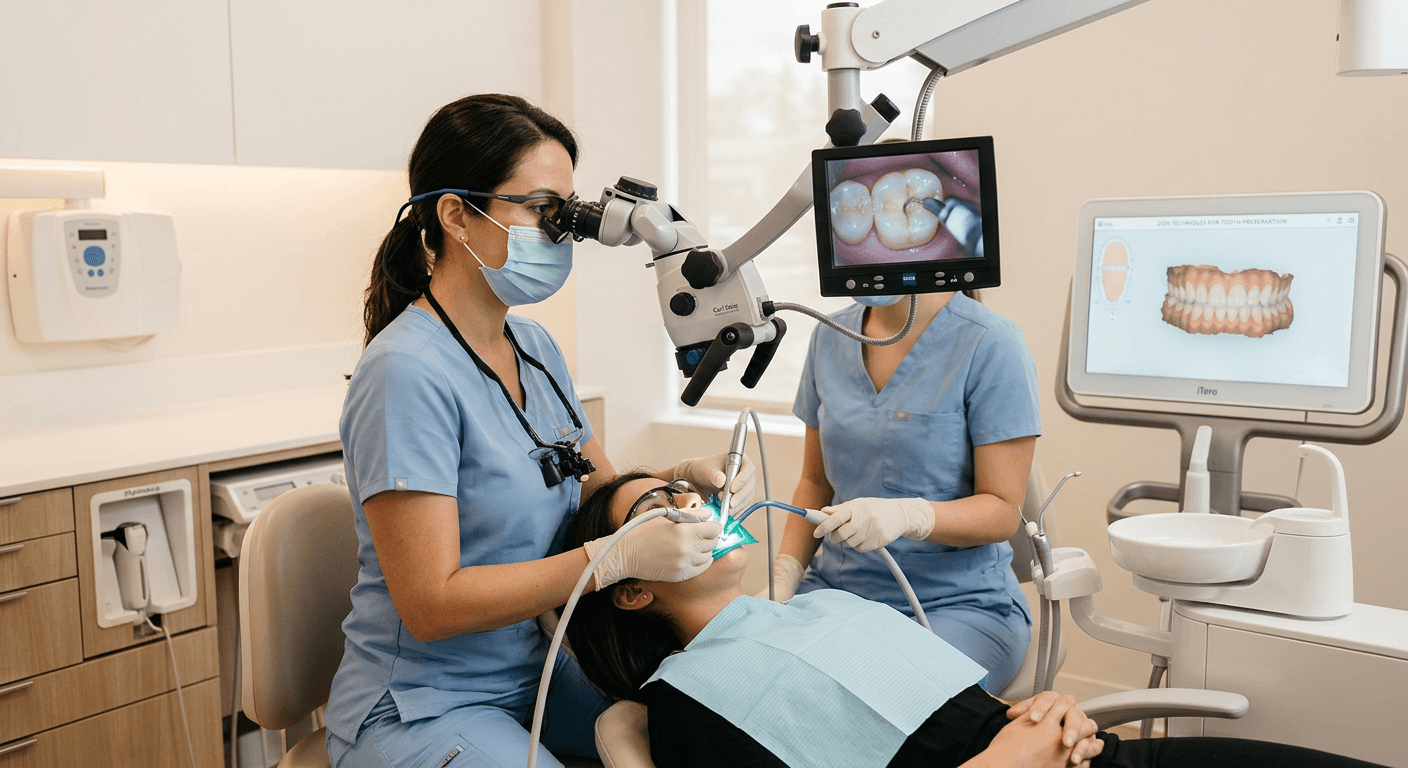
In the ever-evolving world of dentistry, minimally invasive dentistry is revolutionizing how we care for our teeth. By 2026, advancements in technology and techniques are making it easier than ever to preserve healthy tooth structure while effectively treating decay and other dental issues. Whether you're exploring non-invasive dental treatments or curious about biomimetic dentistry, this guide will walk you through the latest innovations in gentle, patient-centered care.
---
What Is Minimally Invasive Dentistry?
Minimally invasive dentistry focuses on preserving as much natural tooth structure as possible while treating dental problems like decay and cavities. This approach emphasizes early detection, prevention, and conservative interventions, reducing the need for extensive drilling or removal of healthy tissue [1][2].
Key principles include:
- Early diagnosis of dental issues to prevent progression.
- Selective removal of decayed tissue rather than extensive drilling [3].
- Use of adhesive and bioactive materials to strengthen teeth [4].
This patient-centered philosophy ensures a gentler dental experience while maintaining long-term oral health.
---
Cutting-Edge Techniques in Minimally Invasive Dentistry
By 2026, several advanced techniques are transforming the field of minimally invasive dentistry. Here are some of the most impactful innovations:
Minimally Invasive Caries Removal
This technique involves removing only the decayed portion of the tooth, leaving healthy tissue intact. Tools like air abrasion and lasers allow for precise, gentle removal of decay without damaging surrounding enamel [5].
Biomimetic Dentistry
Biomimetic dentistry mimics the natural structure and function of teeth. Using advanced materials, dentists can restore teeth in a way that feels and looks natural while preserving up to 90% of healthy tooth structure [4].
Micro-Invasive Treatments
Procedures like resin infiltration and sealing of early cavities help stop decay in its tracks without drilling. These treatments are quick, painless, and highly effective for early-stage dental issues [6].
---
Benefits of Minimally Invasive Dentistry
Choosing minimally invasive dental treatments offers numerous advantages:
- Preserving tooth structure: Less drilling means more of your natural tooth remains intact [7].
- Reduced discomfort: Gentle techniques minimize pain and anxiety during procedures.
- Faster recovery: Less invasive treatments often require little to no downtime.
- Long-term oral health: Early intervention prevents future dental problems.
---
What to Expect During Minimally Invasive Procedures
If you're considering minimally invasive dentistry, here’s what you can expect:
- Comprehensive evaluation: Your dentist will use advanced imaging tools to assess your dental health.
- Customized treatment plan: Based on your needs, they’ll recommend the most conservative approach.
- Gentle procedures: Techniques like air abrasion, lasers, or sealing agents ensure a comfortable experience.
- Follow-up care: Regular check-ups help monitor your progress and prevent future issues.
---
Why Choose Minimally Invasive Dentistry in 2026?
As dental technology continues to advance, minimally invasive dentistry is becoming the gold standard for preserving tooth structure and enhancing patient comfort. With options like [DATA SGP 2026](https://datasgpangka.xyz) integrating advanced data analytics and [LIVE DRAW SDY](https://sppgsleman.org) supporting precision diagnostics, dentists can deliver more personalized and effective care than ever before [1][3].
---
Conclusion: Embrace Gentle Dentistry for a Healthier Smile
Minimally invasive dentistry is transforming the way we approach dental care, offering gentler, more effective treatments that prioritize preserving your natural tooth structure. If you’re looking for a dental experience that’s both comfortable and cutting-edge, consult with your dentist about these innovative techniques today.
Ready to explore your options? Schedule a consultation to see how minimally invasive dentistry can benefit your smile.
---
Sources
[1] Non-Operative, Micro- and Minimally Invasive Methods for Caries Treatment—A Narrative Review — https://pmc.ncbi.nlm.nih.gov/articles/PMC12941922/ [2] Non-Operative, Micro- and Minimally Invasive Methods for Caries Treatment-A Narrative Review — https://www.researchgate.net/publication/400825628Non-OperativeMicro-andMinimallyInvasiveMethodsforCariesTreatment-ANarrative_Review [3] Minimally Invasive Dentistry: Revolutionizing Oral Care through Precision and Preservation — https://www.iomcworld.org/articles/minimally-invasive-dentistry-revolutionizing-oral-care-through-precision-and-preservation-100546.html [4] Preserving Natural Tooth Structure With Biomimetic Restorative Techniques — https://www.cureus.com/articles/464423-preserving-natural-tooth-structure-with-biomimetic-restorative-techniques-current-concepts-clinical-strategies-and-future-perspectives [5] Non-Invasive Dental Treatments: Ultimate Guide 2026 — https://www.smilesbyshields.com/the-complete-guide-to-non-invasive-dental-treatments/ [6] Minimally Invasive Intervention for Caries Management — https://www.fdiworlddental.org/minimally-invasive-intervention-caries-management-miicm [7] Minimally Invasive Dentistry: A Comprehensive Review of Techniques — https://pubs.sciepub.com/ajmsm/14/1/1/index.html [8] Minimally Invasive Caries Removal: An Evidence-Based Technique — https://www.speareducation.com/resources/spear-digest/minimally-invasive-caries-removal-an-evidence-based-technique/